

Woodpecker activity can be a frustrating issue for homeowners, especially as the seasons change and these birds become more active. The combination of weather conditions, local insect populations, and an abundance of mature trees often brings woodpeckers close to residential properties. Understanding why woodpeckers target your siding is the first step toward finding a long-lasting solution, and there are several proactive measures you can take to protect your investment.
Why Woodpeckers Target Siding
Woodpeckers focus on home exteriors for a few key reasons, most of which are influenced by environmental and structural factors:
- Searching for insects living beneath the siding surface.
- Creating nesting or roosting cavities, especially during spring and fall.
- Marking territory or attracting mates with their distinctive drumming.
- Investigating soft or rotted siding materials that are easier to penetrate.
A coastal climate can create moisture-related challenges that make homes more attractive to woodpeckers. Older wood siding, in particular, can soften over time, creating an ideal target for birds seeking food or nesting sites. Humid conditions and frequent rainfall can also accelerate wood rot and attract insects, increasing the likelihood of woodpecker damage.
Common Signs of Woodpecker Damage
It is important to recognize the telltale signs of woodpecker damage as early as possible. Homeowners often report:
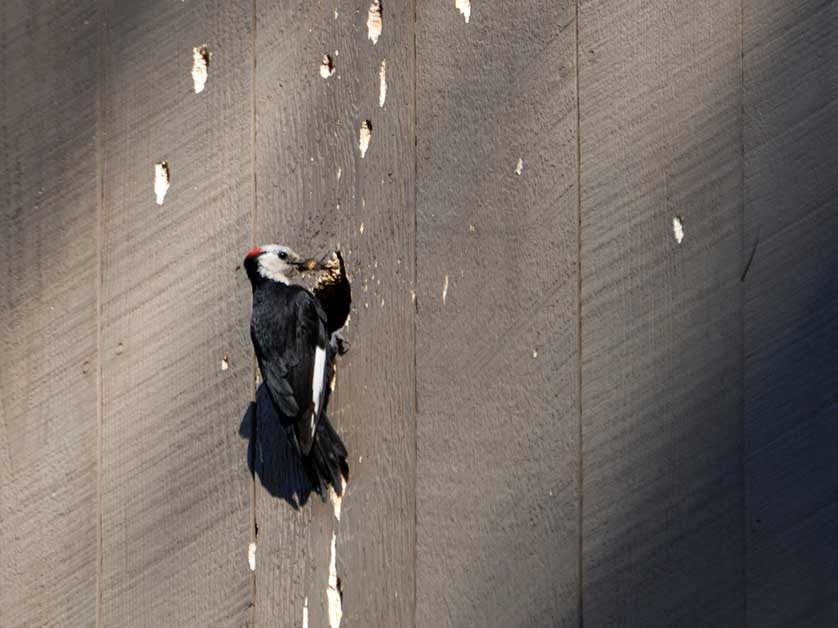
- Small, repeated holes in concentrated areas.
- Tunnel-like cavities that extend deep into the siding.
- Peeling paint or wood chips scattered beneath affected walls.
- Reduced curb appeal due to visible holes or surface damage.
If caught early, minor damage can often be repaired. However, significant or recurring damage may indicate the need for updated siding installation. Siding products such as fiber cement or engineered wood can offer improved resistance to both woodpeckers and insects compared to traditional wood siding.
Solutions for Protecting Your Siding
A combination of humidity, moisture, and local wildlife makes prevention especially important. Here are some effective strategies for protecting your home’s siding:
- Opt for non-wood siding materials during a siding installation project. Many modern siding options are highly resistant to bird damage.
- Remove nearby food sources by maintaining your gutters and trimming trees close to your home. Scheduling regular gutter installation or maintenance services helps reduce moisture and insect activity that may attract woodpeckers.
- Hire professionals to address existing insect infestations beneath your siding or within other structural components.
- Use visual deterrents such as reflective tape, decoy predators, or netting to discourage birds from landing on siding surfaces.
- Invest in annual pressure washing services to remove debris, cobwebs, and organic matter that can harbor insects and make siding more appealing to woodpeckers.
When to Replace Siding After Damage
Frequent or severe woodpecker damage often signals the need for a more comprehensive solution. If your siding has suffered repeated attacks, replacing it with a more durable, lower-maintenance material is often the best option. Homeowners who have worked with M&A Exterior Home Improvement have seen excellent results after upgrading to fiber cement or vinyl siding, as these materials provide greater resistance to weather, insects, and bird damage.
Working with a professional team ensures that your siding installation is both durable and tailored to your home’s specific needs. In many cases, combining new siding with targeted gutter installation and annual pressure washing services can help protect your investment for years to come.
Protect Your Norfolk, VA Home with M&A Exterior Home Improvement
If you have noticed woodpecker damage or want to prevent it before it starts, M&A Exterior Home Improvement can help with expert siding assessments, new siding installation, seamless gutter installation, and reliable pressure washing services. Serving homeowners throughout Norfolk, VA and the surrounding communities, we provide solutions designed for the local climate and tailored to your property’s needs. Give us a call at (757) 779-5244 or fill out our contact form to get started.